
Websites for consultants.
Your prospective clients need to understand your expertise before they book a conversation. We bring your services, approach and relevant work together, so you can show who you help and give people the information to decide whether you’re the right fit.
Is this the right fit?
A referred visitor needs to understand the problems you solve and the evidence behind your offer. Your website should make that clear without requiring a long biography.
- Independent consultants and expert-led practices
- Boutique advisory and professional-service firms
- Coaches and specialists moving upmarket
- International consultancies that need one coherent digital presence
What’s included.
Your proposal confirms the work included.
Positioning and audience clarification
Service and methodology pages
Case-study structure
Credentials and trust presentation
Discovery-call enquiry journey
Responsive design and development
Consultancy website design built around buyer decisions.
Explain the engagement
We organise services around the client problem, who the work is for, what you deliver and how to start. Related offers can share an overview; a specialist service gets its own page when it needs a different explanation.
Present relevant evidence
Case studies should explain the situation, your role and outcomes you can support. Approved anonymised examples can work where clients are confidential. Profiles and credentials support that evidence; we do not invent results or testimonials.
Plan content and enquiries
Bring your target clients, service outline and two or three examples of work you can discuss. We agree the pages, content responsibilities, editing needs and enquiry route. Booking or CRM tools are included only when scoped, with provider fees identified.
The practical details.
Cost and timing
You receive a written scope, fixed quote and working schedule before the project starts. Pages, content and functionality determine the recommendation.
Use the website cost guide to compare quotes, or the project planner to prepare your brief.
Content and feedback
You provide business knowledge, source material and feedback. We shape the page structure and core message. Photography and specialist content responsibilities are agreed in the scope.
Ownership and aftercare
Domain and external accounts should remain under your control. Hosting, handover and any ongoing maintenance are made explicit in your proposal.
How are the technical choices made?
We recommend the platform, languages and hosting around your content, functionality, integrations, budget and maintenance needs. The choice is agreed before development. See platform options.
Structured content
Services, methods and expertise are organised so buyers understand the offer quickly.
Case-study system
Evidence can be added consistently as the consultancy completes more relevant work.
Search foundations
Technical structure and useful specialist content support long-term discoverability.
Responsive delivery
The same composed experience is maintained across laptop and mobile screens.
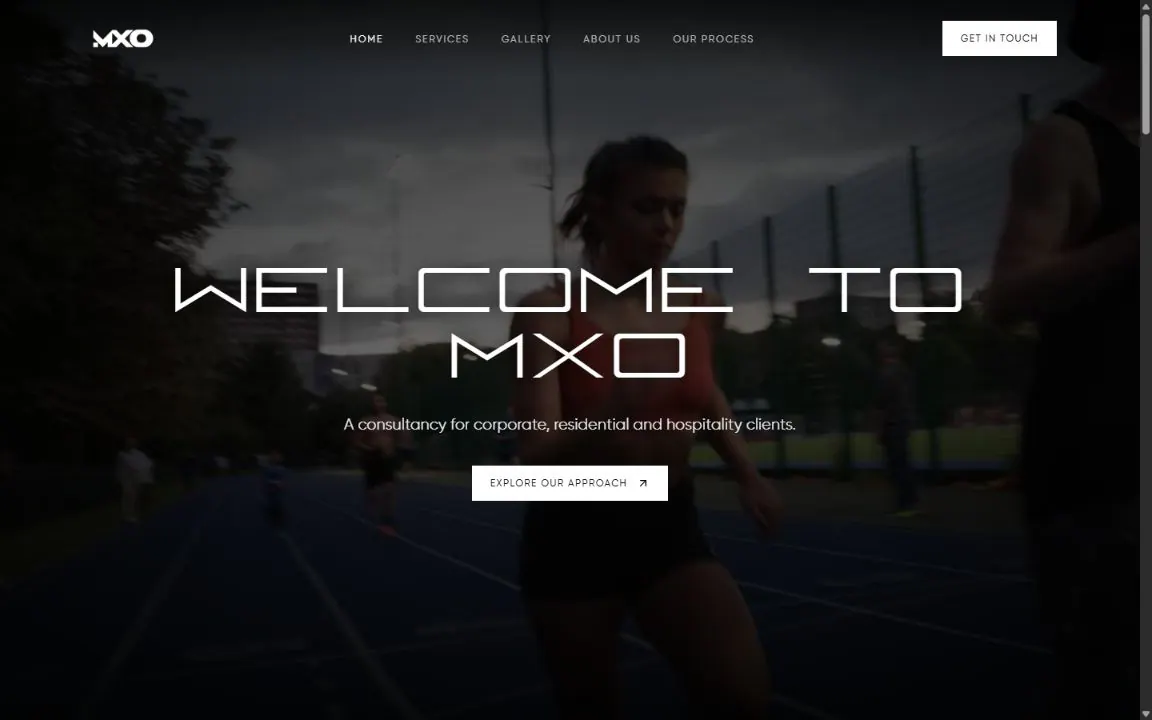
MXO
Explore the decisions behind MXO’s service structure, sector-specific explanations, event galleries and consultation journey for corporate, residential and hospitality buyers.
Read the case studyCommon questions.
What should a consultant website include?
Your audience, services, approach, relevant work, people and contact route. Add sector pages, credentials or insights when they help a prospective client assess your offer.
How much does consultancy website design cost?
The main factors are services, positioning and copy work, case studies, profiles, editing and integrations. We agree a fixed scope and list hosting, paid services and support separately.
Can you help when our client work is confidential?
Yes. We can use approved anonymised examples, your methods and relevant credentials. You approve what can be disclosed; no client names or outcomes are invented.
Can the site help us attract larger clients?
It can make your offer and experience easier to assess. Attracting larger clients also depends on your services, evidence and wider business development; a website alone cannot guarantee it.
Should a consultant publish insights?
When the material answers genuine client questions or shows relevant expertise. A few specific, useful articles can be more helpful than frequent generic updates.